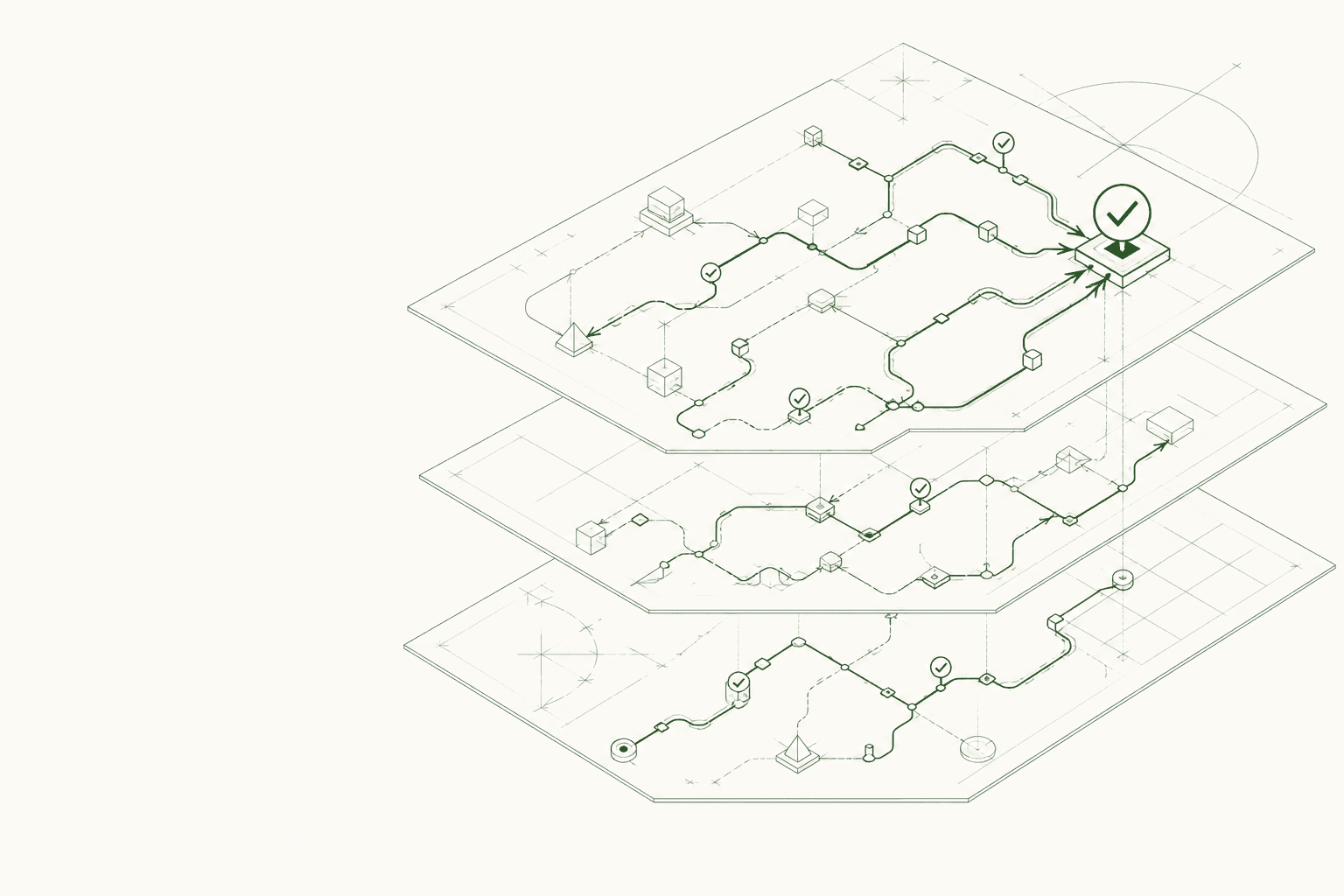
Carry one useful check into the next release
Repeat tests under matching conditions and use accumulated records to find recurring failures.
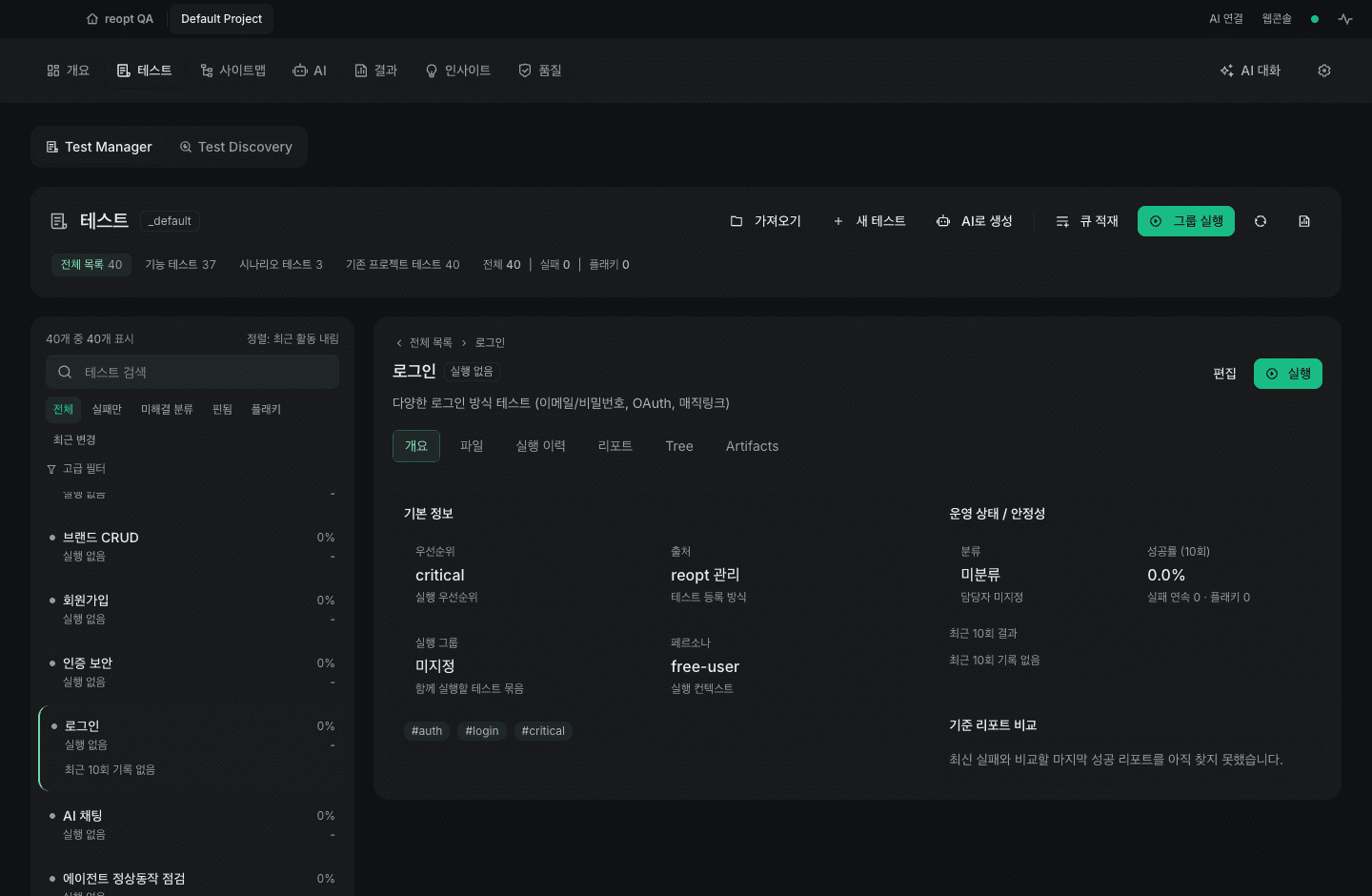
Prepare a repeatable test
Run one important flow manually first. Prepare its URL, account, and data, and make sure the test asserts the expected outcome.
Manage environments and personas so conditions can be reused. Tests that create orders or bookings should avoid unwanted accumulation and conflicts between runs.
Collect results at intervals
An interval schedule adds selected tests to the queue while the local engine is running. Other work can delay the actual start.
A stopped engine or sleeping computer cannot guarantee execution at the due time. Missed intervals are not all replayed later. This is local repeated verification rather than always-on external monitoring.
Look beyond the pass rate
Inspect failure timing, execution duration, and unstable tests in reports and analytics. Before comparing periods, check changes in test composition and execution volume.
After a fix, review the original conditions and rerun. Reruns use current code and settings, not an automatically restored historical version. Comparable conditions make the improvement meaningful.